Traditional locks have been a cornerstone of home and property security for centuries. These locks, which include various types of key-operated mechanisms like pin tumbler locks, have provided a straightforward and reliable means of securing doors and preventing unauthorised access. However, as technology advances and security needs evolve, several problems with traditional locks have become apparent. This blog explores these issues, offering insights into why many people are moving towards modern security solutions.
Vulnerability to Picking and Bumping
One of the most significant problems with traditional locks is their vulnerability to picking and bumping. Lock picking involves manipulating the pins within the lock mechanism using specialised tools, allowing intruders to unlock the door without a key. This method requires some skill but is relatively easy to learn and execute. Bumping, on the other hand, is a technique that uses a specially cut key known as a bump key. When inserted into the lock and struck with a blunt object, the bump key forces the pins within the lock to jump, momentarily allowing the lock to be turned and opened. Both picking and bumping exploit fundamental weaknesses in the design of traditional pin tumbler locks, making them susceptible to unauthorised entry.
Key Duplication Risks
Another significant issue with traditional locks is the ease with which keys can be duplicated. Standard keys can be copied at many hardware stores, locksmiths, and even through online services. While this convenience is beneficial for legitimate reasons, it also poses a security risk. Once a key is lost or stolen, there is a chance it could be duplicated and used for unauthorised access. Additionally, people who have borrowed keys, such as contractors, cleaners, or even friends, can easily make copies without the owner’s knowledge or consent.
Wear and Tear Over Time
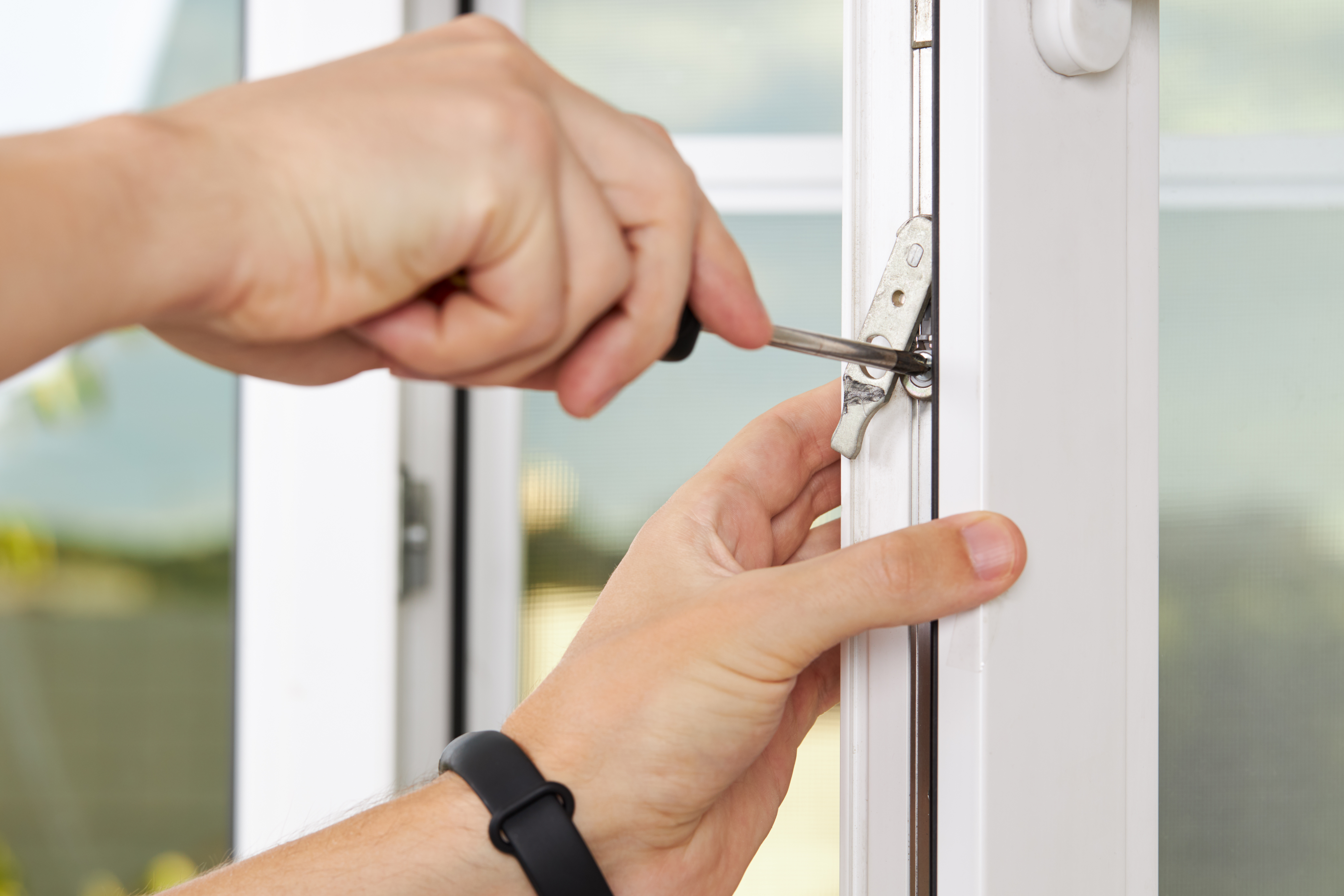
Traditional locks are mechanical devices that experience wear and tear over time. Frequent use, exposure to weather conditions, and lack of maintenance can all contribute to the deterioration of lock mechanisms. Worn-out locks can become stiff, difficult to operate, and more prone to jamming. In extreme cases, they may fail entirely, leaving the property unprotected or the occupants locked out. Regular maintenance and timely replacement of worn parts are necessary to ensure that traditional locks remain functional, but this adds to the overall cost and effort required to maintain security.
Limited Access Control
Traditional locks offer limited access control options. Once a key is distributed, the lock owner has little control over who can use it and when. This limitation is particularly problematic in environments where access needs to be frequently updated or restricted, such as rental properties, shared offices, or homes with multiple occupants. Changing the locks or rekeying them can address this issue, but these solutions are inconvenient and often costly.
Lack of Integration with Modern Security Systems
In today’s increasingly connected world, many homeowners and businesses are turning to integrated security systems that offer comprehensive protection. Traditional locks, however, are not designed to integrate with these modern systems. Features such as remote monitoring, automated locking and unlocking, and integration with alarms and surveillance cameras are not possible with conventional locks. This lack of integration limits the effectiveness of traditional locks in providing a holistic security solution.

Inadequate Response to Advanced Threats
Modern burglars and intruders are equipped with advanced tools and techniques that can easily defeat traditional locks. Drilling, snapping, and using sophisticated lockpicking tools are just some of the methods employed by criminals. Traditional locks, especially older models, are often not designed to withstand these advanced threats. Consequently, properties secured with only conventional locks may be at a higher risk of break-ins.
Inefficiency in Emergency Situations
Traditional locks can also be problematic in emergency situations. In the event of a fire, medical emergency, or other urgent scenarios, the need to find and use a physical key can cause critical delays. Modern alternatives, such as smart locks, allow for quicker access through keypads, biometric sensors, or remote unlocking via a smartphone. These features can significantly improve safety and response times in emergencies, something that traditional locks are unable to provide.
Contact The Experts At Lardner Locksmiths
In summary, traditional locks, while still widely used, are increasingly being seen as insufficient for providing the level of security and convenience required in today’s world. As we move towards smarter and more integrated solutions, it is essential to recognise the limitations of traditional locks and embrace the advancements that can better protect our homes and properties. Contact the experts at Lardner Locksmiths today. Our locksmiths in Beckenham are ready to help with all of your needs.