Smart Locks vs Traditional Locks
The debate over whether smart locks or traditional locks are better has been going on for quite some time. There is no right answer to this question because there are benefits and drawbacks to both types of locks; what it really boils down to is your personal preference. In this blog post, we will talk about the pros and cons of each type of lock so you can decide what’s best for you!
What are Traditional Locks?
Locks are a really important part of any home, and the type that you use on your doors can make or break them. There are traditional locks like Euro Locks which need keys to operate; Mortice style (night latches) Yale types etc., all with their own advantages. These locks need a physical key to open them.
What are Smart Locks?
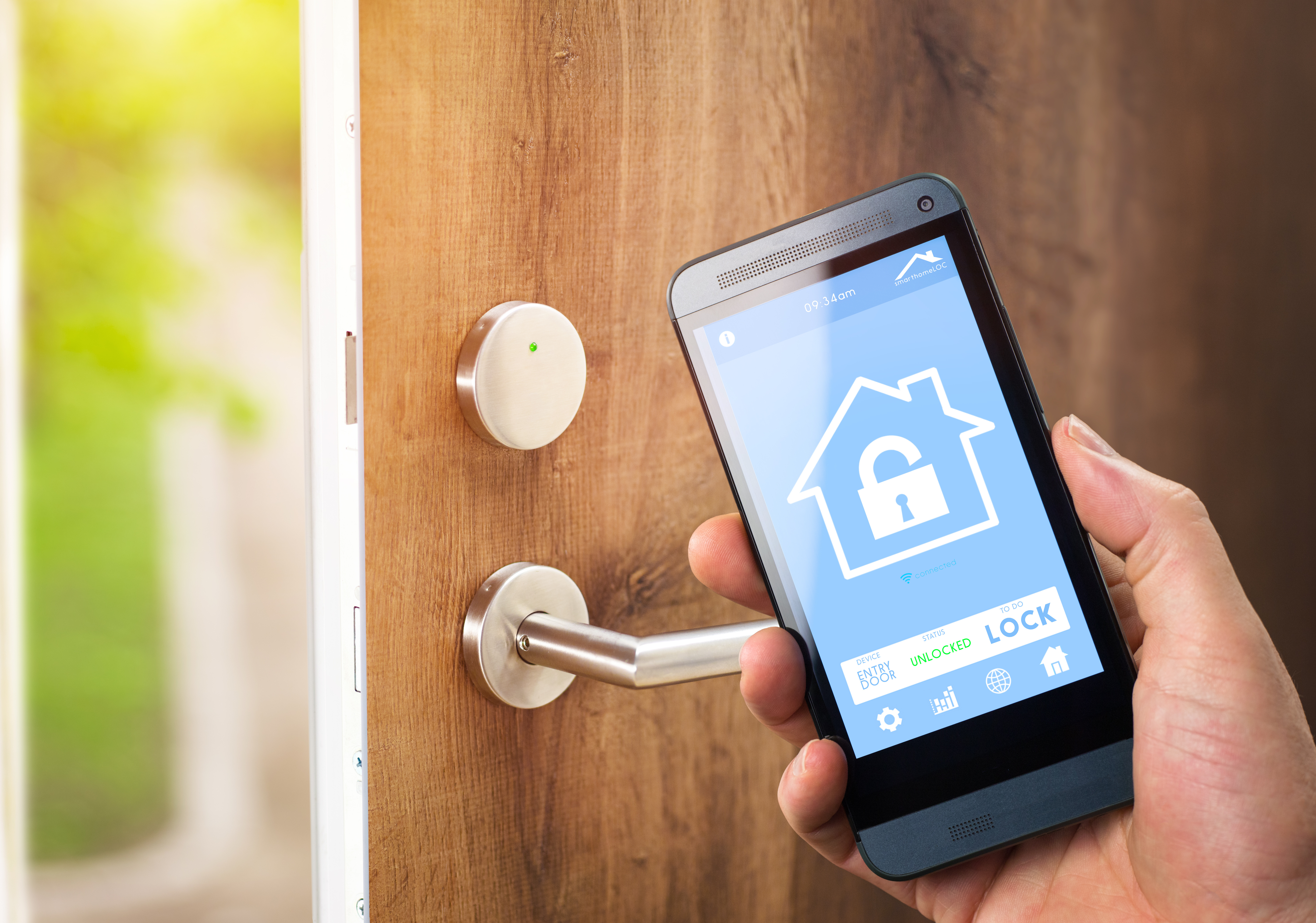
Locking your door has never been easier. You can now use a phone, fob or another device to unlock the smart lock and enter freely into your home without worrying about losing physical keys. The convenience of this type of keyless entry is undeniable as you don’t have to worry who might be outside looking for their own set – because they’ll know it doesn’t exist anymore.
Door Lock Security
The biggest question you might find yourself asking is which lock is most secure? There are a lot of different types and styles for locks on homes. As smart locks are connected to the internet, they can be more vulnerable to hacking. By installing a smart lock for your home, there is a small percentage that someone could break into your home by hacking the lock. With traditional locks, it’s hard to give an overview of safety because they all have their own features and vulnerabilities which need consideration when choosing one type over another for protection from burglars or criminals who want nothing more than what’s inside our homes.
With traditional front door locks, you’re susceptible to break-ins just as much or even more than a Smart Lock. An experienced burglar can snap your Euro Lock and get into your house in seconds with the right tools—even if they don’t know how anti-snap/anti-pick keyless mortice locks work! You might invest in an anti snap/pick resistant lock but this will still leave you vulnerable. It is always best to invest in high standard security locks that are anti-snap and anti-pick.
When deciding which the most secure lock for your home is, there are several factors that should be considered. Statistics show us that burglary typically occurs when an intruder has planned to break into someone’s house so it’s not likely they’ll have pre-planned on breaking through your smart door locks Bluetooth or Wi-Fi enabled installation. As discussed, both Smart Locks and traditional locks can have strengths/weaknesses. Comparing them to secureness might not make you decide one way or another, let’s take a look at some more factors.
Convenience
Smart Locks are a great asset to anyone who has lost their keys. The ability to allow someone into your home from miles away and ensure that you never lock yourself out is an incredible convenience!
With traditional locks, if you want to grant someone access while not in your home they’ll have the key or come find an under a mat. This can be risky as it leaves you open for burglary and trusting one person means that others could get their hands on them too! A traditional lock also means that if you lose your key or lock yourself out, whoever else has a key would need to physically come to your location to allow you in.
Having a phone that won’t power up, or has lost internet access can be inconvenient when it comes to a smart lock. However many smart locks do come with a key override for this reason, but you may feel as though this goes against the objective of having a smart lock, a physical key will never run out of battery or lose connection.
Versatility and Control
The smart lock market is growing very quickly, and more options are constantly being introduced to the market. When it comes to versatility, smart locks come on top of the competition with their ability for users or residents in multifaceted households due to access by one key (not just phones). Although devices can be controlled via another smart device like an Amazon Echo if you connect them through Wifi verse Bluetooth connection; some locks may only operate manually when unlocked without any type gestures detected at all!
As for control, you can use the key tag or your mobile phone to log in activities and see who has accessed the door when away. With traditional locks, there are many options available but they’re often somewhat similar because of how much access it gives them to various areas within an estate that might not be open otherwise without being seen by other people around yours too!

Reliability and Durability
When it comes to reliability and durability, traditional locks often have the upper hand due to their simple mechanical design. These locks have been used for centuries and are well-tested against common wear and tear. High-quality traditional locks, such as mortise or anti-snap locks, can withstand significant force and tampering attempts, making them a dependable option for long-term security. However, they require regular maintenance, such as lubrication and occasional key replacement, to ensure smooth operation. Smart locks, on the other hand, rely on electronic components, which can sometimes be less reliable over time due to battery life and technological malfunctions.
These locks need regular software updates, and their electronic parts may wear out faster than traditional mechanical systems. Although most smart locks have a manual key override, any malfunction in the electronic system could cause temporary lockouts or failures. Additionally, the reliance on internet connectivity or Bluetooth means that network outages or connectivity issues could potentially render the lock unusable temporarily. Both traditional and smart locks have their own reliability factors, with traditional locks offering straightforward durability and smart locks providing advanced convenience at the risk of occasional technological glitches. Your choice will depend on whether you value time-tested mechanical reliability or the modern conveniences offered by smart lock technology.
Privacy and Data Security
Smart locks, while offering high convenience, bring unique concerns regarding privacy and data security. As these locks are often connected to Wi-Fi or Bluetooth, they are vulnerable to cyberattacks. Hackers may potentially gain access to your smart lock through vulnerabilities in the software or network, raising concerns about unauthorised entry. Manufacturers continuously update software to address security flaws, but the risk of hacking remains a critical consideration. Users must ensure their locks are always up-to-date with the latest security patches and set strong, unique passwords to protect against cyber threats. Traditional locks, in contrast, do not rely on digital connections, making them immune to hacking.
However, physical security breaches, such as lock picking, bumping, or key duplication, remain possible threats. While traditional locks eliminate the risk of cyberattacks, they cannot provide the advanced security features of smart locks, such as activity tracking, remote access, or alerts when someone attempts to tamper with the lock. Ultimately, choosing between smart locks and traditional locks requires weighing the balance between the risk of digital intrusion and the benefits of technological convenience. For those particularly concerned with data security, investing in smart locks with advanced encryption and regularly updated firmware is essential.
Power and Connectivity Concerns: Battery Life and Internet Dependence
One key consideration when comparing smart locks to traditional locks is the reliance on power and connectivity. Smart locks require a steady source of power, usually through batteries, and depend on either Wi-Fi or Bluetooth to function. This can lead to potential issues if the battery dies or if the internet connection is lost. Many smart locks have built-in warnings to alert homeowners when batteries are running low, but if this warning is missed, you may find yourself locked out of your own home. Some models include a physical key override for emergencies, but this feature negates the keyless convenience of smart locks. Traditional locks, on the other hand, do not rely on any external power source or internet connectivity. As long as you have the key, you can access your home without worrying about technological malfunctions. This makes traditional locks a more reliable option for those who do not want to depend on technology for something as crucial as home security. However, traditional locks do not offer the same remote access or smart features as smart locks, which means you may need to physically be present or provide a spare key to someone else to manage access. Overall, power and connectivity are factors that must be weighed when choosing between smart and traditional locks. If you live in an area with frequent power outages or unreliable internet, a traditional lock may be a better option. However, if you prioritise convenience and are comfortable managing battery life and occasional connectivity issues, smart locks offer a more modern solution.
Home Automation Compatibility: Integrating Smart Locks with Other Devices
Smart locks offer a significant advantage over traditional locks when it comes to home automation and integration with other smart devices. If you already use smart home systems such as Amazon Alexa, Google Home, or Apple HomeKit, a smart lock can seamlessly fit into your existing setup. With a smart lock integrated into your home automation system, you can control access remotely, check the lock status from your smartphone, and even create custom access schedules for family members, friends, or service providers. For example, if you’re expecting a delivery while you’re out, you can unlock your door remotely and lock it again once the package is inside. You can also set up routines where locking your door at night triggers other smart home devices, such as turning off lights or adjusting the thermostat. These integrations can offer a level of convenience and security that traditional locks simply cannot match. Traditional locks, by contrast, are stand-alone security measures. While they can be just as effective at securing your home, they lack the ability to integrate with other systems. This means that if you want additional features like remote access or automated locking schedules, you would need to manually install and monitor these features. However, for homeowners who prefer a simple, no-frills security solution, traditional locks offer a straightforward, dependable option.
Customisation and Aesthetic Considerations: Style and Personalisation
When it comes to aesthetics and customisation, both smart locks and traditional locks offer different levels of personalisation that could influence your decision. Traditional locks come in a variety of designs, finishes, and materials, allowing you to choose a style that complements your home’s décor. Whether you prefer classic brass or modern chrome finishes, traditional locks can blend seamlessly with your doors and overall home design. You can also select different styles of lock mechanisms, such as mortice or cylinder locks, depending on your needs and the look you want to achieve. Smart locks, while typically more modern in design, are also available in various styles and finishes to suit different tastes. However, the appearance of a smart lock is often more contemporary and may stand out on a traditional or period home. Some homeowners may prefer the sleek, tech-forward look of a smart lock, while others may find that it clashes with their home’s aesthetic. Additionally, smart locks often offer customisation features beyond appearance—such as personalised access codes for different users or the ability to control lock functions through a mobile app interface, giving you more control over who enters your home and when. If style is an important factor for you, traditional locks may offer a wider range of options that align with classic or timeless home designs. Smart locks, on the other hand, cater to those who value functionality and modern aesthetics, along with the added benefit of customisable security features. Choosing between the two comes down to whether you prioritise the look and feel of your home or the technological advantages of a smart lock system.
Ease of Installation
The installation process is another crucial factor when deciding between smart locks and traditional locks. Traditional locks are relatively straightforward to install, often requiring basic tools and a general understanding of door mechanics. In many cases, homeowners can install or replace a traditional lock themselves, although professional installation is recommended to ensure optimal security, especially for more complex mortice or multi-point locking systems. Smart locks, while often marketed as easy to install, can be more complex due to their electronic components. Some smart locks are designed to retrofit existing deadbolts, making the installation process simpler, but others require a complete replacement of the locking mechanism, which may involve electrical work or specific alignment for proper functioning.
Additionally, setting up the smart lock with your smartphone, Wi-Fi, or smart home system can add another layer of complexity that may require technical knowledge. Hiring a professional locksmith is often the best approach for both smart and traditional locks to ensure they are installed correctly and securely. This not only guarantees proper functionality but also maximises the security features of your chosen lock type, giving you peace of mind knowing that your home is well-protected.
What’s the Cost?
The cost of a Smart Lock is typically higher than that for the traditional variety because these locks require an access code. The price difference could be enough to sway you, but we’ll break down some numbers and what customers get when they purchase their new smart lock!
Depending on what type of door you have, your cost may vary. A replacement lock cylinder for a uPVC or PVC door usually starts at £25 and can go up to £35 if the whole set needs replacing with more elaborate locks such as Yale locks which start around £15 each time but average £25 in total price tag.
There’s no denying that Smart Locks are more expensive than traditional locks. The cheapest out there is around £100, while some can cost as much as £250-£300 for basic packages with additional features like remote access or notification services offered by the company itself. A Smart Lock will set you back more than a traditional lock, but the benefits of being able to unlock and enter your home from anywhere make it worth investing in. You can send friends or family virtual keys as well as receive notifications about who’s coming into the house thanks!
Smart locks are the next logical step for those who want to secure their home and stay one step ahead. They work just like traditional locks, which means you can enjoy convenience with increased security!
Choosing the Right Lock for Your Needs
When deciding between smart locks and traditional locks, the best choice ultimately depends on your lifestyle, security needs, and budget. If you value convenience, remote access, and home automation, a smart lock might be the ideal solution. These locks allow you to control entry to your home remotely, track access logs, and even integrate with other smart home devices. However, they do require consistent battery power and a stable internet connection, which may not be suitable for every homeowner. On the other hand, traditional locks remain a reliable and cost-effective security option. High-quality anti-snap, anti-pick, and anti-drill locks provide robust protection without the risk of digital vulnerabilities. They do, however, require physical key management, which can be inconvenient if you frequently lose keys or need to grant access to multiple people. For the best of both worlds, some homeowners opt for a hybrid approach, using a smart lock for the front door while keeping traditional locks on other access points. This way, you can enjoy modern convenience without fully relying on digital technology. If you’re considering upgrading your home security, Lardner Locksmiths can help you find the perfect balance between traditional reliability and smart technology. Contact us today for expert advice!
The Future of Home Locks
The future of home security is bright, with intelligent locks poised to play a key role. In fact, 47% of UK households own at least one smart device other than TVs and watches already in 2020! This number will only continue growing as more people take advantage of convenience-based technologies like these innovative door mechanisms for their homes which work seamlessly alongside each other without any need from you – the homeowner- making them even easier than ever before. How can the team at Lardner Locksmiths in Croydon help? simply get in touch with our team today for more advice and guidance on your locksmith issues.