uPVC doors are one of the most common types of external doors across Croydon and the wider UK. They are popular for good reason. They offer strong insulation, durability, and modern security features, particularly when fitted with multi-point locking systems. However, like any mechanical system, the locking mechanism inside a uPVC door will not last forever. Over time, wear and tear can take its toll, and when problems start to develop, they often begin subtly.
At Lardner Locksmiths, we regularly attend properties where customers have ignored the early warning signs of a failing uPVC lock mechanism, only for it to eventually seize completely. When that happens, it can leave you locked out, unable to secure your home, or facing a much more costly repair than necessary. Understanding the signs of a failing mechanism can help you act early and avoid an emergency situation.
The Handle Feels Loose or Unstable
One of the first warning signs we often see is a loose or wobbly door handle. Many homeowners assume this is simply cosmetic or a minor inconvenience, but in reality it can indicate that the internal gearbox or spindle inside the mechanism is beginning to fail.
When the handle feels unstable, it usually means the internal components are no longer aligning properly. Over time, repeated use places pressure on the moving parts of the locking system. If the screws loosen or the gearbox begins to wear, the handle may start to drop slightly or require extra force to lift.
Ignoring this issue can lead to a complete failure of the mechanism, where the handle no longer engages the locking points at all. In some cases, the door can become stuck in a locked or unlocked position, both of which create security concerns.
The Door Is Difficult to Lock or Unlock
Another common sign of uPVC door lock problems is difficulty turning the key or lifting the handle. If you notice that the key feels stiff, grinds slightly, or requires more pressure than usual, this should not be dismissed as normal ageing.
In many cases, this stiffness is caused by misalignment between the door and the frame. uPVC doors can drop slightly over time, especially in properties where the hinges have not been adjusted. Seasonal temperature changes can also cause minor expansion and contraction, which affects how the locking points line up.
If the locking points are not perfectly aligned with the keeps in the frame, the mechanism has to work harder every time you lock or unlock the door. This extra strain accelerates wear inside the gearbox and can eventually cause it to fail.
The Key Turns but Nothing Happens
One of the more alarming signs of mechanism failure is when the key turns freely but the door does not unlock. This often indicates a failed gearbox inside the multi-point locking system.
The gearbox is the central component that connects the cylinder to the locking points. When it breaks internally, the cylinder may still rotate, but it no longer engages the hooks or bolts that secure the door. This can leave you unable to open the door from either side.
We frequently attend emergency callouts across Croydon where customers report that their key is turning normally but the door will not open. In these situations, non-destructive entry is sometimes possible, but the mechanism usually requires replacement.
The Door Handle Will Not Lift Fully
If you find that your door handle no longer lifts fully when locking the door, this is a clear indication that something inside the mechanism is not functioning correctly. The multi-point system relies on the handle lifting to engage the various locking points along the edge of the door.
When the handle stops halfway or feels obstructed, it often means one of the internal components has become worn or misaligned. Continuing to force the handle can cause further damage, potentially snapping the internal parts or even breaking the handle itself.
This is one of the most common early-stage symptoms we see. Addressing it quickly can prevent a complete lock failure and avoid being locked out unexpectedly.
Grinding or Clicking Noises
A healthy uPVC locking mechanism should operate smoothly and quietly. If you begin to hear grinding, clicking, or crunching noises when turning the key or lifting the handle, it is usually a sign that internal parts are deteriorating.
These noises often occur when the gearbox teeth are wearing down or when debris has entered the mechanism. In older doors, lack of maintenance can allow dirt and moisture to affect the moving parts.
While lubrication can sometimes provide temporary relief, persistent unusual sounds generally indicate that the mechanism is nearing the end of its lifespan.
The Door Has Dropped or Become Misaligned
Door misalignment is one of the leading causes of uPVC lock failure. Over time, the weight of the door can cause it to drop slightly on its hinges. When this happens, the locking points no longer line up correctly with the frame.
You may notice that the door catches on the frame, feels heavier when closing, or requires lifting slightly to engage the lock. These are clear signs that adjustment is needed.
If left uncorrected, the strain placed on the multi-point locking system can lead to gearbox failure. We often explain to customers that the lock itself is not always the original problem. The root cause may be hinge misalignment that has gradually damaged the mechanism over time.
Snapped or Stiff Euro Cylinder
Although the focus is often on the internal mechanism, the cylinder itself can also cause issues. If your key becomes difficult to insert or remove, or if the cylinder feels loose, this may indicate wear or potential vulnerability.
In some cases, cylinders that are not anti-snap can become compromised more easily during attempted break-ins. Upgrading to a high-security anti-snap cylinder can not only improve security but also ensure smoother operation.
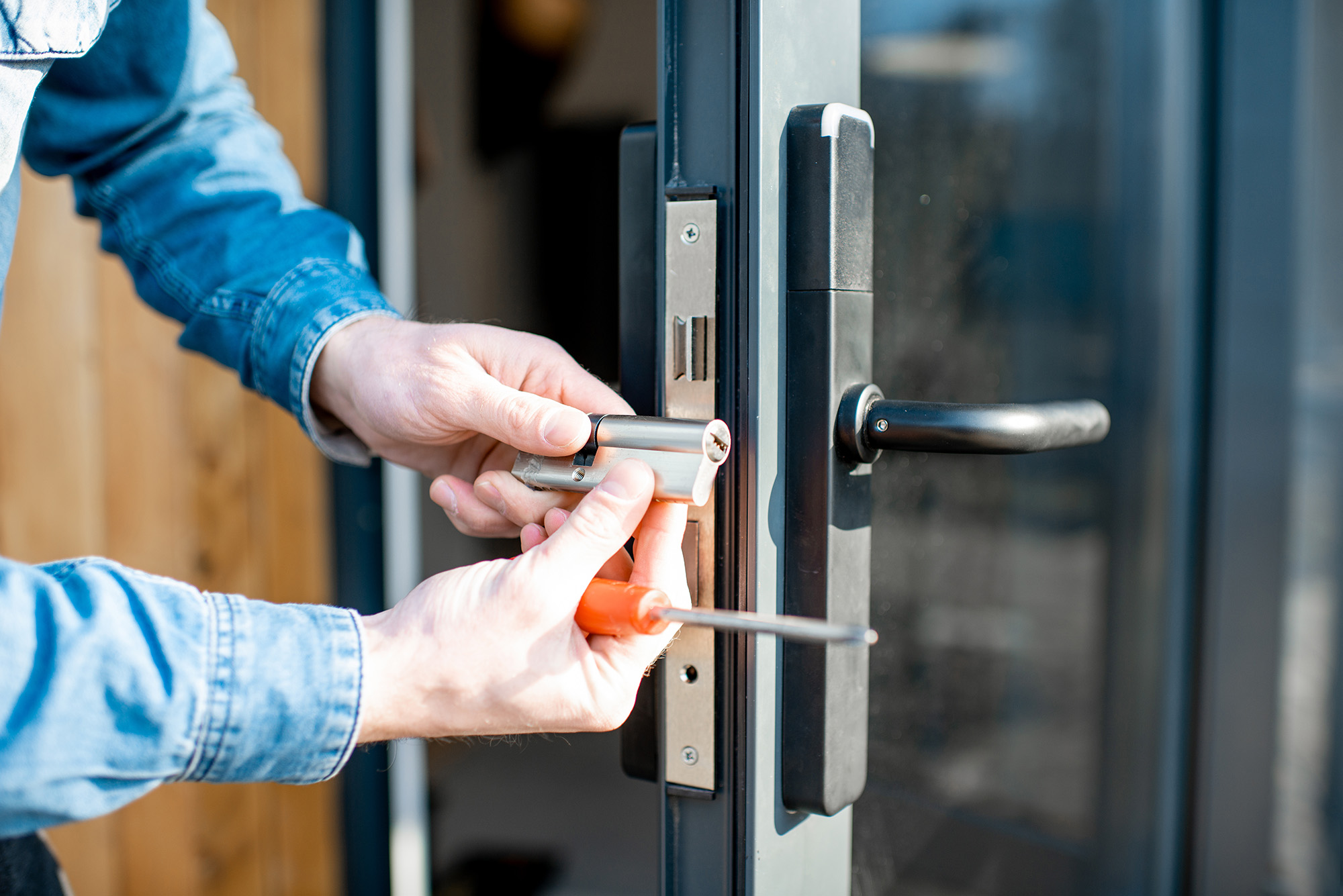
When we attend uPVC lock repairs in Croydon, we assess both the mechanism and the cylinder to determine whether a partial repair or full upgrade is the better long-term solution.
The Door Locks but Feels Insecure
Another subtle warning sign is when the door appears to lock, but does not feel fully secure. You may notice slight movement when pushing against it, or the locking points may not engage as firmly as they once did.
This can happen when internal components begin to weaken or when the keeps in the frame have shifted. Even small gaps can compromise security and increase the risk of forced entry.
If your door does not feel solid once locked, it is worth having it inspected. Security is not something to gamble with, especially in areas where burglary risks fluctuate.
Why Early Intervention Matters
We cannot stress enough how important it is to address early warning signs. uPVC mechanisms rarely fail without giving some form of notice first. The challenge is that many homeowners ignore these signs until the door stops working entirely.
An emergency callout for a failed mechanism is often more costly than a preventative repair. In severe cases, a failed mechanism can trap you inside or outside the property, creating both inconvenience and potential safety concerns.
By acting early, you not only save money but also protect your home’s security.
Professional Diagnosis and Repair
At Lardner Locksmiths, we specialise in diagnosing and repairing uPVC door lock problems across Croydon. Our vans carry a wide range of replacement gearboxes and mechanisms, allowing us to complete most repairs in a single visit.
Every door is different, and not all mechanisms are interchangeable. That is why experience matters. Identifying the correct part and fitting it correctly ensures smooth operation and long-term reliability.
We also check door alignment, hinge condition, and cylinder security during every visit. A comprehensive approach prevents repeat issues and ensures your door operates as it should.
When Replacement Is the Better Option
In some cases, especially with older doors, full mechanism replacement may be more cost-effective than repeated repairs. If the system is significantly worn or obsolete, upgrading to a newer multi-point mechanism can provide improved security and smoother operation.
We always provide honest advice about whether a repair will suffice or whether a replacement is the wiser long-term decision. Our goal is not to upsell but to provide a solution that protects your property effectively.
Final Thoughts
uPVC doors are durable and secure, but their locking mechanisms are mechanical systems that inevitably wear over time. Loose handles, stiff keys, partial handle lift, grinding noises, and misalignment are all early signs that something is going wrong inside the mechanism.
Ignoring these warnings can lead to sudden lock failure and emergency situations that could have been avoided. Acting early allows for straightforward repairs, lower costs, and continued security.
If you have noticed any of these issues with your uPVC door, it may be time for a professional inspection. At Lardner Locksmiths, we provide prompt, reliable service across Croydon, helping homeowners stay secure and avoid unnecessary stress.
If your uPVC door is showing signs of failure, do not wait until it stops working entirely. A simple check today could prevent a major inconvenience tomorrow. Get in touch with our team and we will be happy to help.